Choosing the Perfect Floor Plan for Your New Home

How to Choose a Floor Plan When Buying a New Home
Floor plans help you envision the look and feel of your ideal home. Maybe you want a primary suite walk-in closet with lofty ceilings for lots of shelf space. Or maybe you’re looking for a spacious patio that you can personalise for outdoor entertainment.
A good floor plan will allow you to better understand if a home or townhouse has the potential to meet your wants and needs. Knowing a floor plan is an important tool in the home buying process, it’s important to learn not only how to read them, but what to keep in mind when evaluating various floor plans.
Luckily, we’ve got all the tools to help you when choosing a floor plan.
What’s a Floor Plan?
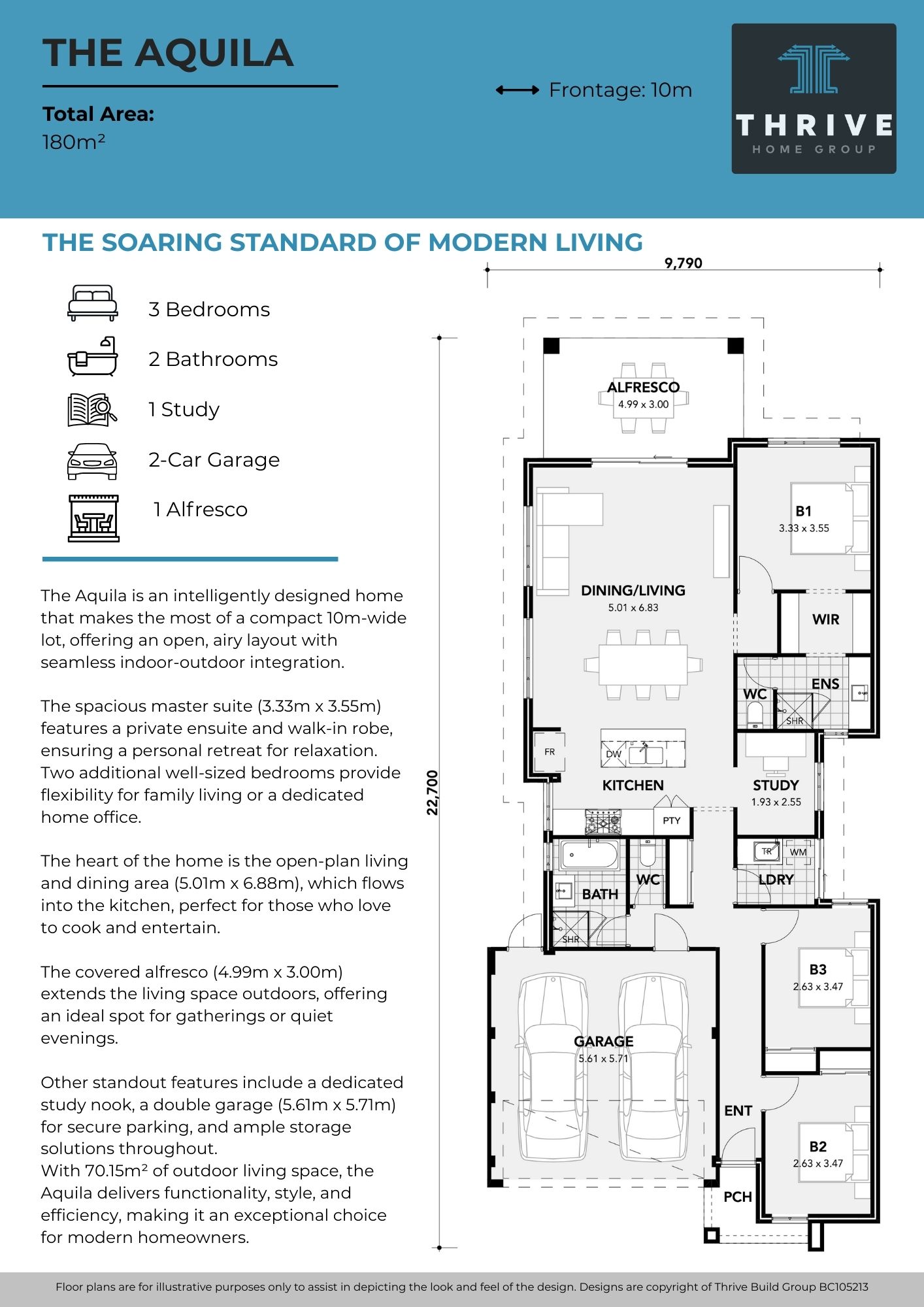
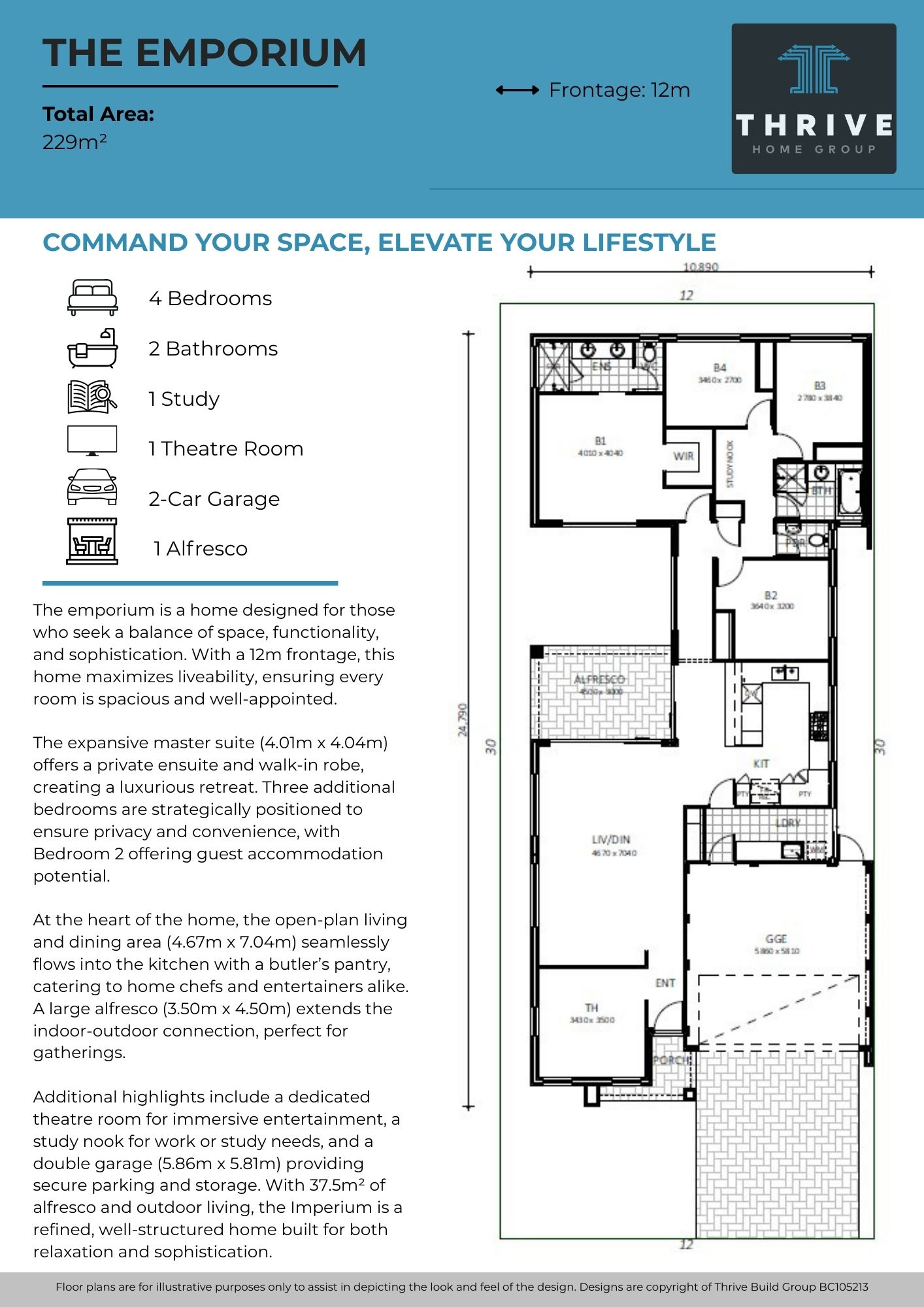
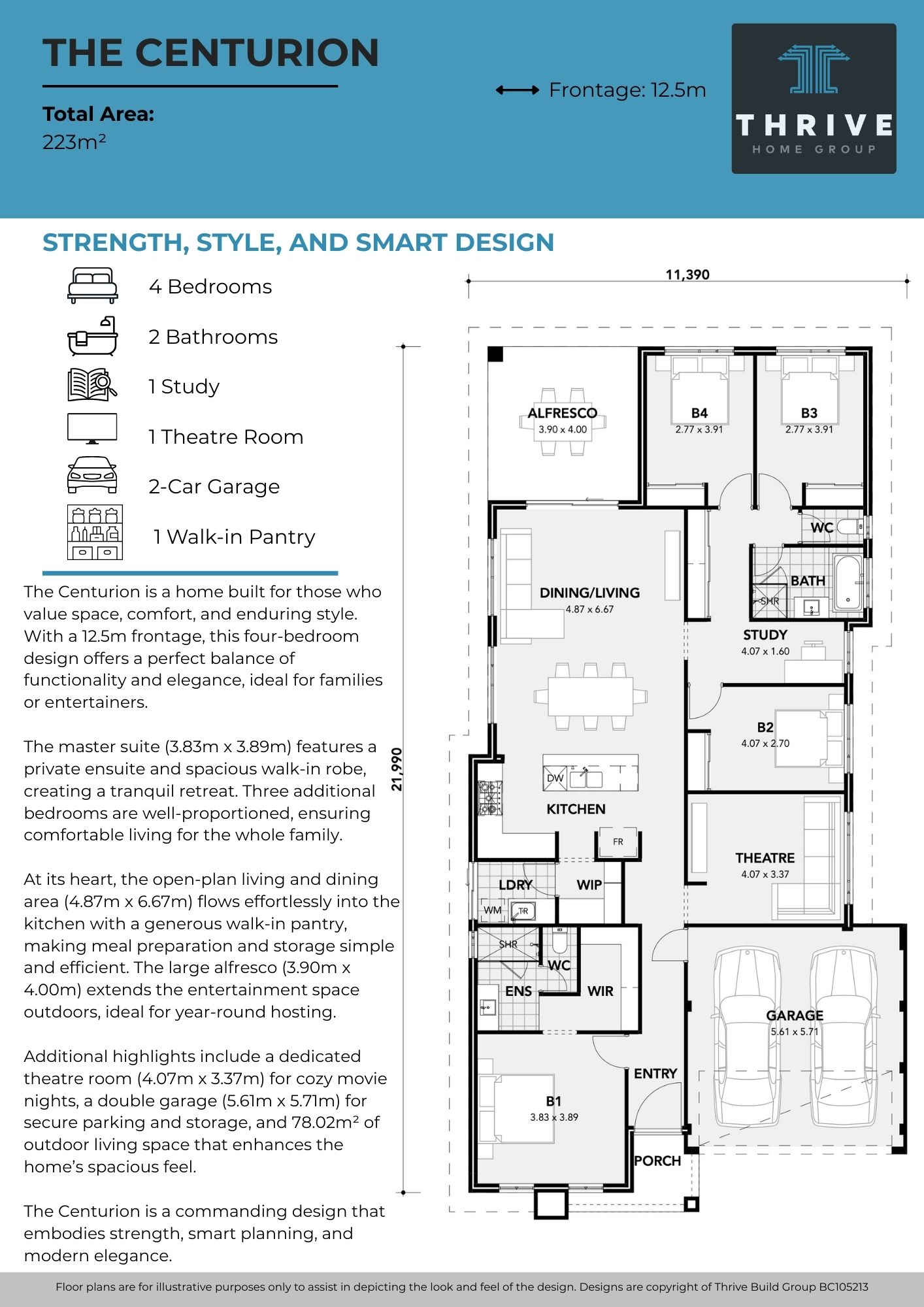
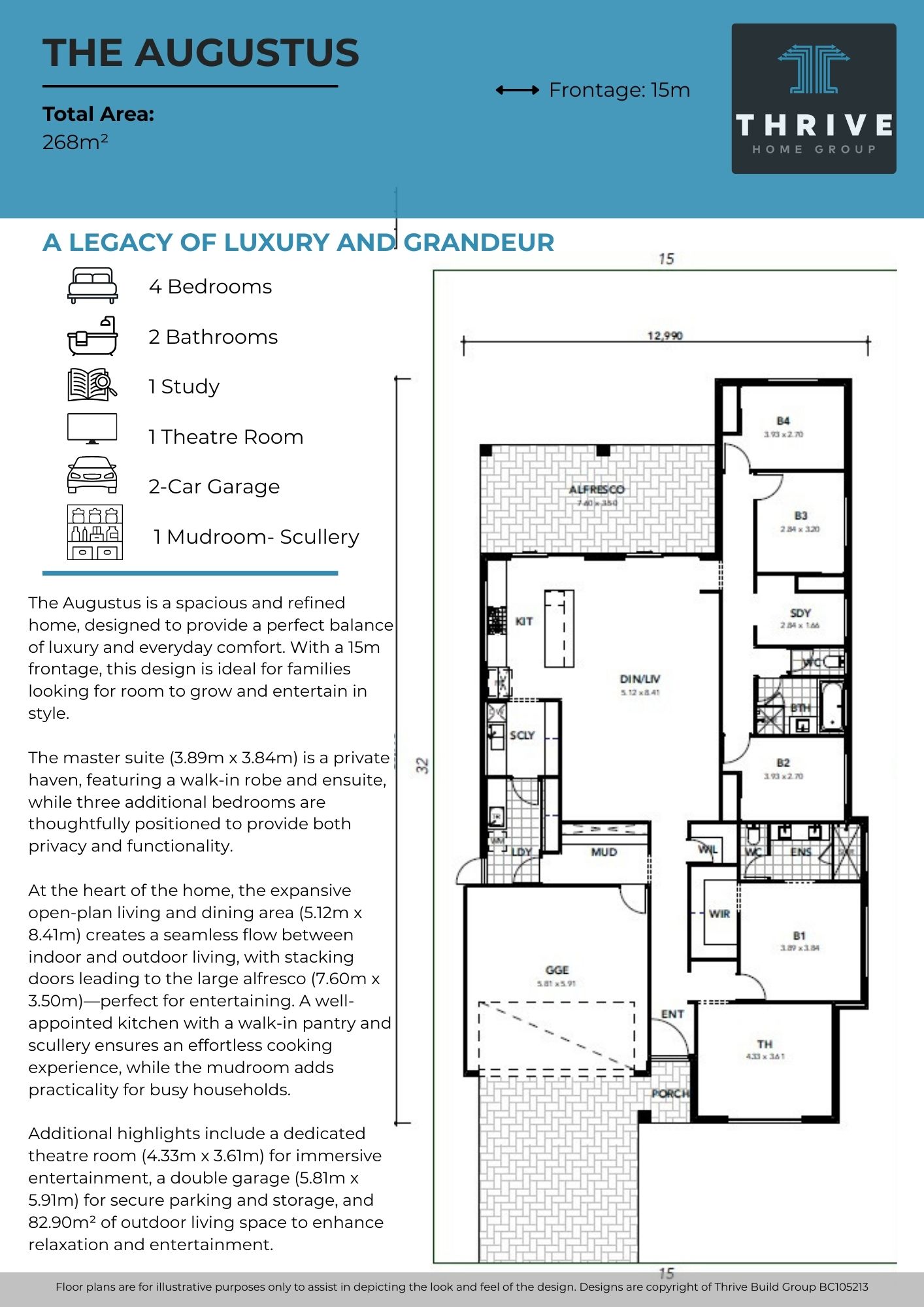
What is a floor plan? The dictionary defines a floor plan as a “scale diagram of the arrangement of rooms in one story of a building”. A floor plan will show you an aerial view of the layout of a home, broken out by different floors.
You’ll typically see the rooms, doors, closets, and general flow of a house. The floor plan will show how rooms are laid out and how you will be able to move from room to room. Floor plans are often predetermined by the builder when you’re buying a new home, but sometimes you can personalize a floor plan based on your lifestyle.
And if you’re leaning towards building a new home, check out our building process guide to learn more about how you can work with Thrive to personalize your floor plan.
Why Use a Floor Plan?
Although it may be tempting to want to leave all the floor plan decisions to the builder, architect, or even your interior designer, you’ll want to be clear about what the plan is and understand how it will affect you. You’re the only one who can truly advocate for your own wants and needs. Take advantage of this opportunity to make your home your own!
Floor plans can help you decide on available home options, such as whether you want to get the bay window, if the extended patio will be worth it, or if you want to go with the optional door from the primary bedroom to the primary bath.
Floor plans become even more invaluable when you’re shopping for a home online. Whether you’re moving from another state, or prefer to search for homes online, floor plans allow you to understand the dimensions of the home so you can envision the home for yourself.
Along with floor plans, online home searches should also take advantage of home gallery images, videos and guided virtual homes tours (a virtual walk- through the home while chatting with a real-estate representative) to better visualise the floor plan and bring it to life.
How to Read a Floor Plan
A floor plan can tell you a lot about the home, if you know how to read it properly. For example, it can allow you to:
See ratios of space, the proportions of a house, and decide how your furniture might fit (note: not all floor plans are to scale and should be used as a guide, not an absolute).
Understand if the home’s layout works with your lifestyle and how you may use the space.
Gauge the flow of the house and how you might move about inside it.
Get a feeling for the building’s style.
However, floor plans are not always easy to decode. Luckily, we’ve created this visual guide to help you better understand what you’re seeing. Here is how to read a floor plan:
Orient yourself if you are looking at a one- or two-story home. The floor plan will indicate which floor you are viewing if the house is multi-story.
Understand the symbols presented in the floor plan. Typically, floor plans will show you symbols for walls, stairs, doors, and windows. Some floor plans will showcase renderings for where appliances may fit, like a washer and dryer or dishwasher.
Read the dimensions. Each room will typically show a square footage or length of each wall. This helps to understand how large the house is, and what proportions of the home are taken up by various room.

Explore our NEW BUILD HOME DESIGNS & SPECIFICATIONS