Essential Tips for Choosing the Right Home Floor Plan – 9 Key Tips
“Remember it’s your home“
1.) Prioritise What’s Most Important To You
Everyone has probably envisioned what their ideal home would look like. Granite countertops, a wrap-around front porch, and maybe a pool for relaxing on sweltering summer days. While it’s great to have a vision, homebuyers can easily get lost attempting to track down a floor plan that matches their dream home expectations.
It’s important when shopping for a home to level those expectations. Stay focused on what really matters when you’re settled in your home. To do this, create a list of home features that are an absolute must-haves and ones that are a nice-to-have, so that you can prioritise what’s most important for your future home. For example, if you know you’ll need an at-home office or maybe a two-car garage for storing cars and lawn equipment, you’ll want to look at floor plans that offer flex spaces and garages that are the right size your family.

2.) Make Sure It Works Within Your Budget
The dreaded “b” word. While financing your home is something you’ll need to think about, you don’t have to narrow it down to the exact dollar amount at this point. You do want to make sure you’re reviewing floor plans within your financial reach. At Thrive, we have our own mortgage team that can help you understand how much home you can afford.
While it might be fun to imagine yourself in a large home, thinking through a home with a floor plan that serves all your necessities for living is the first step. Especially for first-time homebuyers, don’t be discouraged if you feel overwhelmed in understanding which floor plans you can afford.
3.) Find Out If It’s The Right Size
This seems simple, but it’s important to figure out how much space you really need. The adage “bigger is better,” doesn’t always apply to your ideal floor plan. Size is important for making sure both your family – and your belongings – fit comfortably.
Think about your current home and your needs. If you know the square footage of your current home, it can be good to look at the floor plan (see floor plan key above to understand how to read floor plan dimensions) to understand the relative size of the room dimensions so you can ensure that there’s enough space for all your needs. As a homebuyer, it’s important to do research and talk with a representative to discuss to the true size of home.
Size can also affect the overall feeling of togetherness – can you hear your daughter calling you from her room – or is it simply too far away? There’s no right answer, so make sure to take so time to think about what’s right for you.
4.) Single Story or Multiple Story Home
Choosing between a single story or multiple story home relies heavily on personal choice, budgets, and location. There are advantages and disadvantages to each type of home. On the other hand, multiple story homes might mean that the bedroom on the bottom floor is subject to hearing loud footsteps or TV blaring if there is a bedroom directly above it.
Not one home choice is better than the other, but when examining floor plan, it’s important to analyse how you want your home to laid out and whether one story or multiple stories is best for your home needs. Also, consider if the floor plan is an apartment/town house or a single detached family home.
When thinking through a town house vs single detached family home, each has benefits for living.
5.) Make Sure It Fits With Your Lifestyle
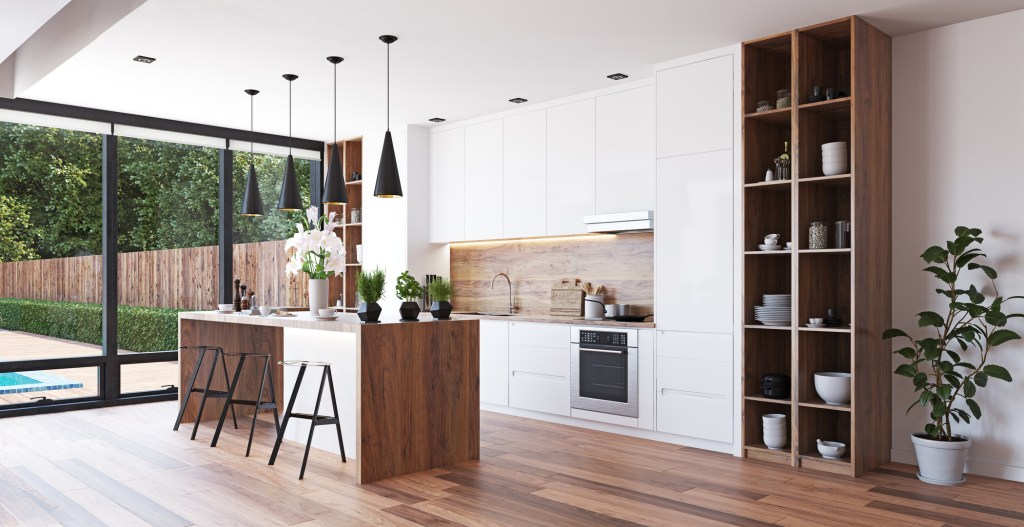
People use their homes differently, so there’s usually no one-size-fits-all solution. The important thing to consider is how you use your home. Consider entertaining needs and kitchen needs. Do you want to have an island? Do you need a lot of counter space? Is a walk-in pantry a must-have? You may want to think about how you will make sure Fido feels at home when moving to a new place. Give them time to adjust and ensure that your home can always be pet-proofed to keep them safe.
You’ll also want to think about the size of space, relation to each other, and flow of the rooms. How close are bedrooms to the kitchen and what is the flow between rooms? Consider things such as noise and privacy. Some people like open layouts, and some prefer for each room to have its own unique feel. Consider ceiling height, walls, and the angles. You may want to consider window placement and how this affects your views out, who can see in and what they can see, in addition to how the natural light flows in.

6.) How Much Outdoor Space Do You Need?
Backyards are great for hosting summer BBQs, giving your kids a safe area to play, and letting your dog run free without having to take them to a park. Depending on your lifestyle and family size, you might need a lot of outdoor space to accommodate your kids/pets.
However, a lot of patio or yard space also means a lot more upkeep. Mowing the lawn, sprucing the flowers, sweeping the patio, and keeping the pool clean are just some of the year-round chores that will require consistent servicing. Before you decide on a floor plan, make sure you consider if the work is worth the reward when it comes to how much outdoor space you want at your home.

7.) Decide If The Floor Plan Will Play Nice with your design style
If you have a specific home style design in mind, such as a Craftsman, Mediterranean, or Victorian, you will want to view the floor plan from the perspective of whether or not it will accommodate your needs. Learn more about different home styles if you’re unsure of what will fit your taste.
Floor plans are also great for visualizing how you would want to decorate the interior of your home from bedroom furniture to final additions. However, with so many design styles, it can hard to decipher which interior style best matches the tone/aesthetic that you want in your home.
8.) Consider What Life Will Look Like In 5-10 Years
Depending on how long you plan to live in your new home, you may want to consider whether the floor plan you choose will be able to adapt to your needs in the next five to ten years.
Consider changes such as the kids leaving the house, your family getting bigger (whether it’s starting your family or expanding the family with the in-laws or grandchildren), and whether you’ll really want to climb stairs every day to go to bed. An office can transform into a guestroom and your flooring can easily transition from hardwood to kid friendly, but some decisions you will have to make when choosing your floor plan.

9.) Know What To Avoid
Knowing how to read your floor plan can help you avoid fewer desirable designs, layouts, and features. Look out for things you may want to avoid like tight hallways, angular walls, or an overly complicated layout.


